

Introduction
When you’re dealing with a wound, every day matters. The faster it heals, the less risk there is of infection, complications, or long-term scarring. While medical treatment is essential for more complex wounds, there are simple steps you can take at home to support and speed up your body’s natural healing process.
In this post, we’ll share 5 easy, practical tips that can make a real difference in your recovery.
Tip 1: Keep Your Wound Clean (But Don’t Overdo It)
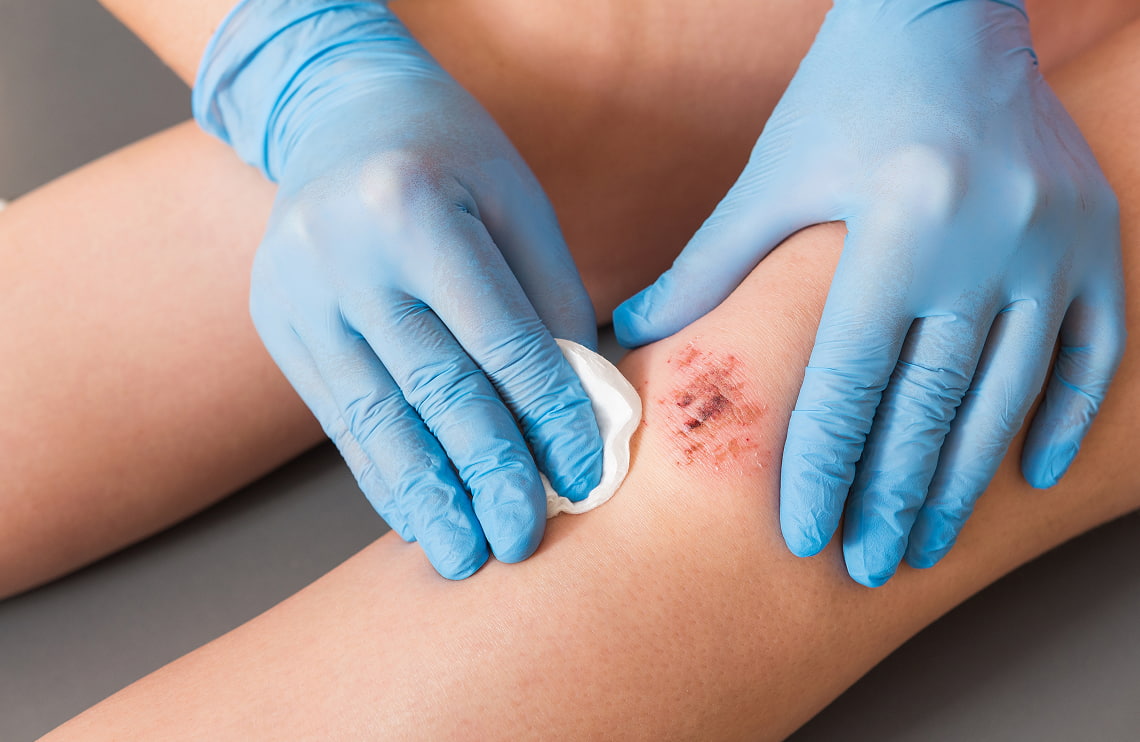
Cleaning your wound properly is the first step to safe healing. Gently wash the area with mild soap and water to remove dirt or bacteria, and always pat dry with a clean cloth or sterile gauze.
⚠️ Avoid harsh scrubbing or using strong antiseptics (like hydrogen peroxide) daily, as this can actually delay healing.
Tip 2: Use the Right Dressing
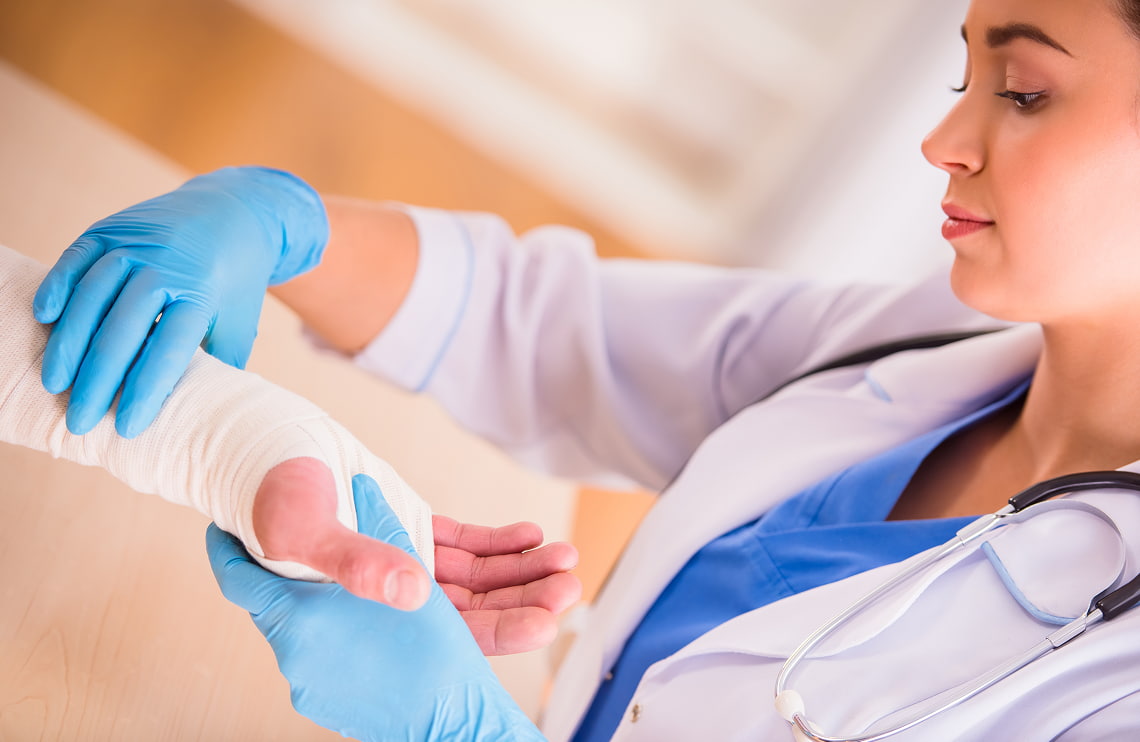
Not all wounds should be left “open to air.” In fact, most wounds heal faster in a moist, protected environment. The right dressing keeps bacteria out, controls moisture, and supports new tissue growth.
👉 If you’re unsure which dressing to use, consult a wound care specialist like the team at M2 Health.
Tip 3: Eat for Healing
Your body needs the right fuel to repair itself. Make sure your diet includes:
- Protein (chicken, eggs, beans) for tissue repair
- Vitamin C (citrus fruits, peppers) for collagen production
- Zinc (nuts, seeds, whole grains) for cell growth
Staying hydrated is just as important – water helps deliver nutrients to the wound site.
Tip 4: Protect From Infection
Infection is the biggest threat to slow or non-healing wounds. Look out for warning signs such as redness, swelling, warmth, pus, or increasing pain. If you notice any of these, contact a healthcare professional immediately.
✅ Regular dressing changes and clean hands are your best protection at home.
Tip 5: Rest & Don’t Rush the Process
Healing takes time – and your body needs energy to focus on repairing. Avoid putting pressure on the wound, give yourself plenty of rest, and don’t skip follow-up care if your doctor has recommended it.
Remember: the right care today prevents bigger problems tomorrow.
Conclusion
With the right at-home care, most wounds will heal faster and with fewer complications. These tips are a great start, but if your wound isn’t improving, or if you have an underlying condition (like diabetes), it’s best to seek professional care.
At M2 Health, we specialise in advanced wound care solutions designed to support healing, prevent infection, and improve quality of life.
