


Introduction
For people living with diabetes, even a small wound can become a big concern. Slow healing, poor circulation, and reduced sensation can all increase the risk of infection and complications. The good news? With the right care and early treatment, diabetic wounds can heal safely and effectively.
In this post, we’ll explain why diabetic wounds need special attention — and how proper wound management can help you stay healthy and confident.
What Makes Diabetic Wounds Different?
Diabetes affects how your body heals. High blood sugar levels can damage nerves and blood vessels, which means wounds may take longer to close and are more prone to infection. In many cases, people don’t even notice small cuts or blisters, especially on the feet, until they become serious.
That’s why regular foot checks and quick action are essential.
Common Causes of Diabetic Wounds
-
Poor Circulation: Reduced blood flow slows down the delivery of oxygen and nutrients to wounds.
-
Nerve Damage (Neuropathy): You may not feel pain or pressure, leading to unnoticed injuries.
-
Infection Risk: High glucose levels can feed bacteria and make it harder for your immune system to fight infection.
How to Care for Diabetic Wounds
-
Check Your Feet Daily: Look for cuts, blisters, or redness — even small ones.
-
Keep Blood Sugar Controlled: Stable blood sugar promotes better healing.
-
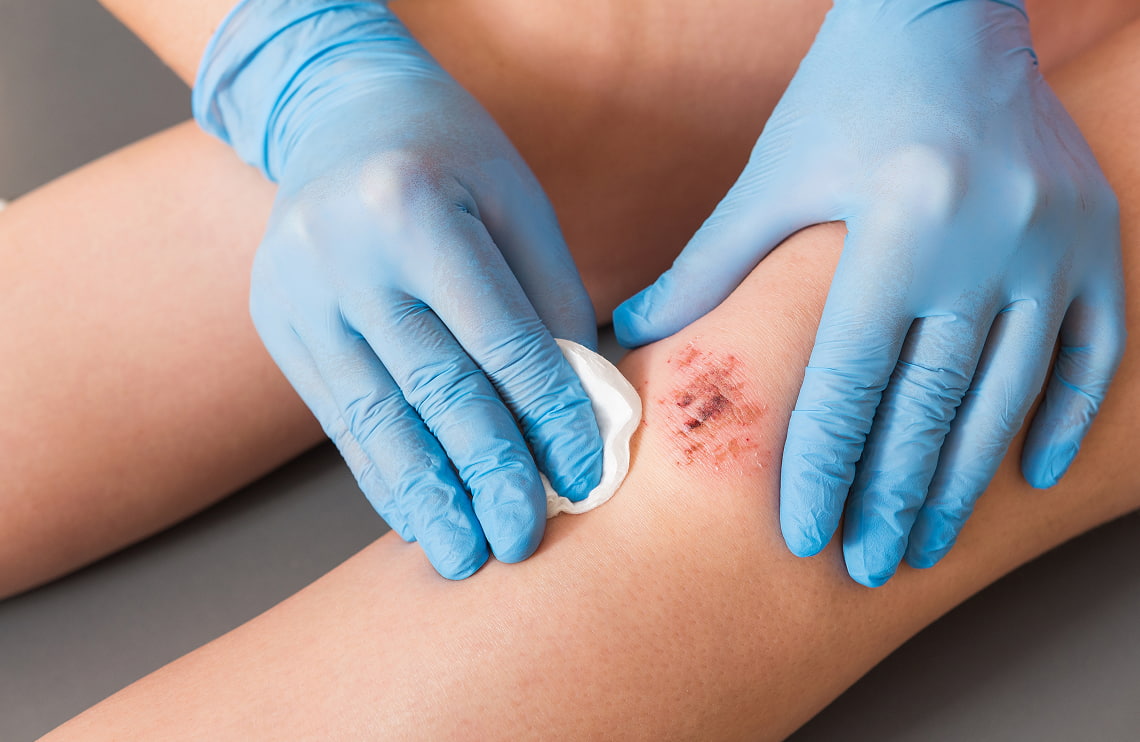
Clean Gently & Dress Properly: Use mild soap and water, and keep the wound covered.
-
Avoid Walking Barefoot: Prevent new injuries by protecting your feet.
-
See a Specialist Early: Early professional care can prevent infection and amputation.
When to Seek Help
If your wound is not improving within a few days, or if you notice swelling, pus, warmth, or a foul smell, seek professional help immediately.
Conclusion
Diabetic wounds may need extra attention — but with the right care, healing is absolutely possible. Don’t wait until small wounds become big problems.
At M2 Health, our team specialises in advanced diabetic wound management, helping patients heal faster and reduce the risk of complications.
